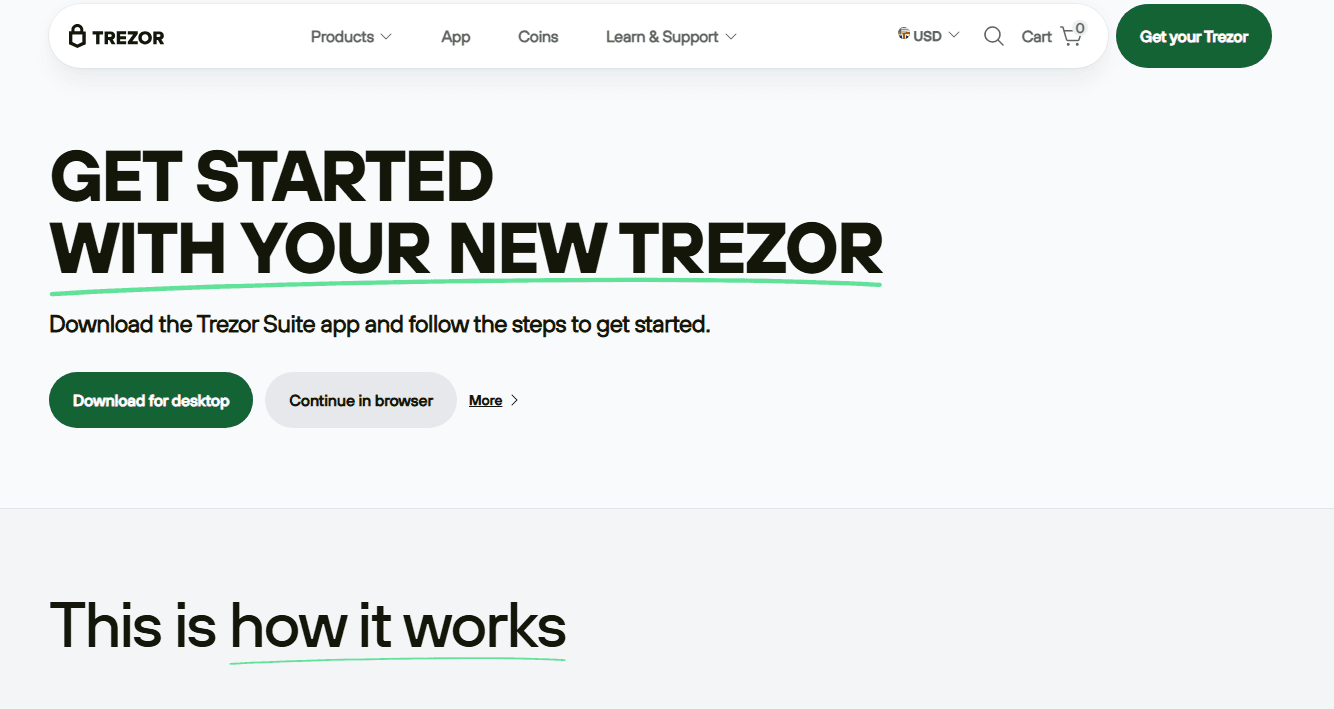
Introduction to Trezor Login
Trezor Login is the secure gateway for accessing your Trezor hardware wallet, providing users with full control over their cryptocurrency accounts while keeping private keys offline. Unlike software-only wallets, Trezor ensures that sensitive cryptographic information never leaves the device, protecting assets from malware, hacking, and unauthorized access.
Understanding how to log in safely and securely is essential for both new and experienced users. Trezor Login combines usability with strong security measures, making it a critical step in managing cryptocurrency assets efficiently and securely.
The Purpose of Trezor Login
The primary purpose of Trezor Login is to authenticate users and provide secure access to their hardware wallet. By requiring device verification, PIN entry, and optional recovery seed confirmation, Trezor Login ensures that only authorized users can access the wallet.
Through Trezor Login, users can view balances, track transaction history, manage multiple cryptocurrency accounts, and safely initiate transactions. This access point is designed to prevent unauthorized use and provide peace of mind for cryptocurrency holders.
How Trezor Login Works
Logging into a Trezor wallet involves connecting the device to a computer or mobile device and using the Trezor Suite application. The device interacts with the software to display account information, verify transactions, and authorize actions, all without exposing private keys.
When logging in, the user must enter the device PIN. This PIN protects the wallet from physical theft or unauthorized access. Only after successful PIN verification does the user gain access to accounts through Trezor Suite.
Device Connection and Security
Trezor Login requires connecting the hardware wallet to a trusted host device using a USB connection. The device communicates securely with Trezor Suite, allowing users to access accounts and perform operations safely.
It is essential to ensure the host device is free of malware. Using only official software and maintaining a secure environment are fundamental practices for keeping login operations safe. Trezor Login relies on this trusted connection to maintain the integrity of private keys and account data.
PIN Verification
The PIN is the first layer of protection during Trezor Login. Each time the device is powered on, the user must enter the PIN on the device itself. This method ensures that keyloggers or malicious software on the host computer cannot capture sensitive information.
Trezor Login enforces PIN security by limiting attempts and encrypting PIN entry. Users are advised to select a strong, unpredictable PIN and never share it, as this simple step forms a critical foundation for wallet security.
Recovery Seed Security
The recovery seed is a series of 12 to 24 words generated when the device is first initialized. It serves as a backup to restore wallet access if the device is lost, stolen, or damaged.
Trezor Login emphasizes that the recovery seed must be stored offline and never entered into untrusted devices or software. If the recovery seed is exposed or lost, funds can be permanently compromised. Users should always verify operations requiring the recovery seed directly on the device.
Accessing Trezor Suite
After logging in, users gain access to Trezor Suite, the official software interface for managing the hardware wallet. Trezor Login ensures that all account management activities, including viewing balances, sending and receiving cryptocurrency, and monitoring transaction history, occur securely.
Trezor Suite integrates with the hardware wallet to verify each operation. This integration guarantees that private keys remain safely stored on the device while allowing users to manage multiple accounts efficiently.
Logging Into Multiple Accounts
Trezor Login allows users to manage multiple cryptocurrency accounts from a single device. Each account is secured by the device’s private keys, and Trezor Login ensures that access is authorized for each transaction.
Users can switch between accounts, monitor balances, and track transaction histories while maintaining the highest level of security. Centralized management combined with device verification provides both convenience and protection.
Receiving Cryptocurrency
Trezor Login guides users in safely receiving cryptocurrency. When generating a receiving address, the user must verify it directly on the Trezor device to ensure it has not been altered by malware or phishing attempts.
Confirming the address on the device ensures that incoming funds are sent correctly. Trezor Suite provides real-time updates on incoming transactions, giving users full visibility over their assets.
Sending Cryptocurrency
Sending cryptocurrency requires initiating a transaction in Trezor Suite and confirming it on the device. Trezor Login ensures that each transaction is verified and signed securely on the hardware wallet.
Users must carefully review recipient addresses, amounts, and network fees on the device before approving transactions. This process ensures that private keys remain secure while preventing unauthorized transfers.
Firmware Updates During Login
Trezor Login may prompt users to update device firmware. Firmware updates improve security, add new features, and maintain compatibility with additional cryptocurrencies.
Updates must be verified and approved directly on the device. Properly updating the firmware ensures that the login process remains secure and protects against potential vulnerabilities.
Security Best Practices for Trezor Login
To maintain a secure login experience, Trezor Login recommends several best practices:
Always use a secure and trusted host device.
Keep the PIN confidential and avoid predictable numbers.
Verify all transaction details on the Trezor device.
Never enter the recovery seed on untrusted devices or software.
Keep the hardware wallet firmware and Trezor Suite software updated.
Following these practices ensures that login remains secure and that digital assets are protected from theft or unauthorized access.
Device Loss and Recovery
In the event the device is lost or stolen, Trezor Login protects access using the PIN and recovery seed. Users can restore wallet access on a new device using their recovery seed.
This recovery process allows continuity of access while maintaining high security, as only individuals with the correct PIN and recovery seed can log in and manage accounts.
Managing Privacy During Login
Trezor Login preserves user privacy by performing all operations locally on the hardware wallet. Trezor Suite does not require personal information for login, and cryptographic verification ensures secure authentication.
Privacy-conscious users benefit from Trezor Login as it keeps sensitive data protected while providing access to full wallet functionality.
Conclusion
Trezor Login is a secure gateway to managing cryptocurrency assets on a Trezor hardware wallet. It combines PIN protection, recovery seed verification, and direct device confirmation to ensure that only authorized users can access funds.
By following best practices, users can safely log in, access multiple accounts, send and receive cryptocurrency, and manage digital assets with confidence. Trezor Login ensures that private keys remain secure, operations are verified, and user privacy is preserved.
Whether for beginners or experienced cryptocurrency holders, understanding and using Trezor Login is essential for maintaining a secure and reliable wallet experience.